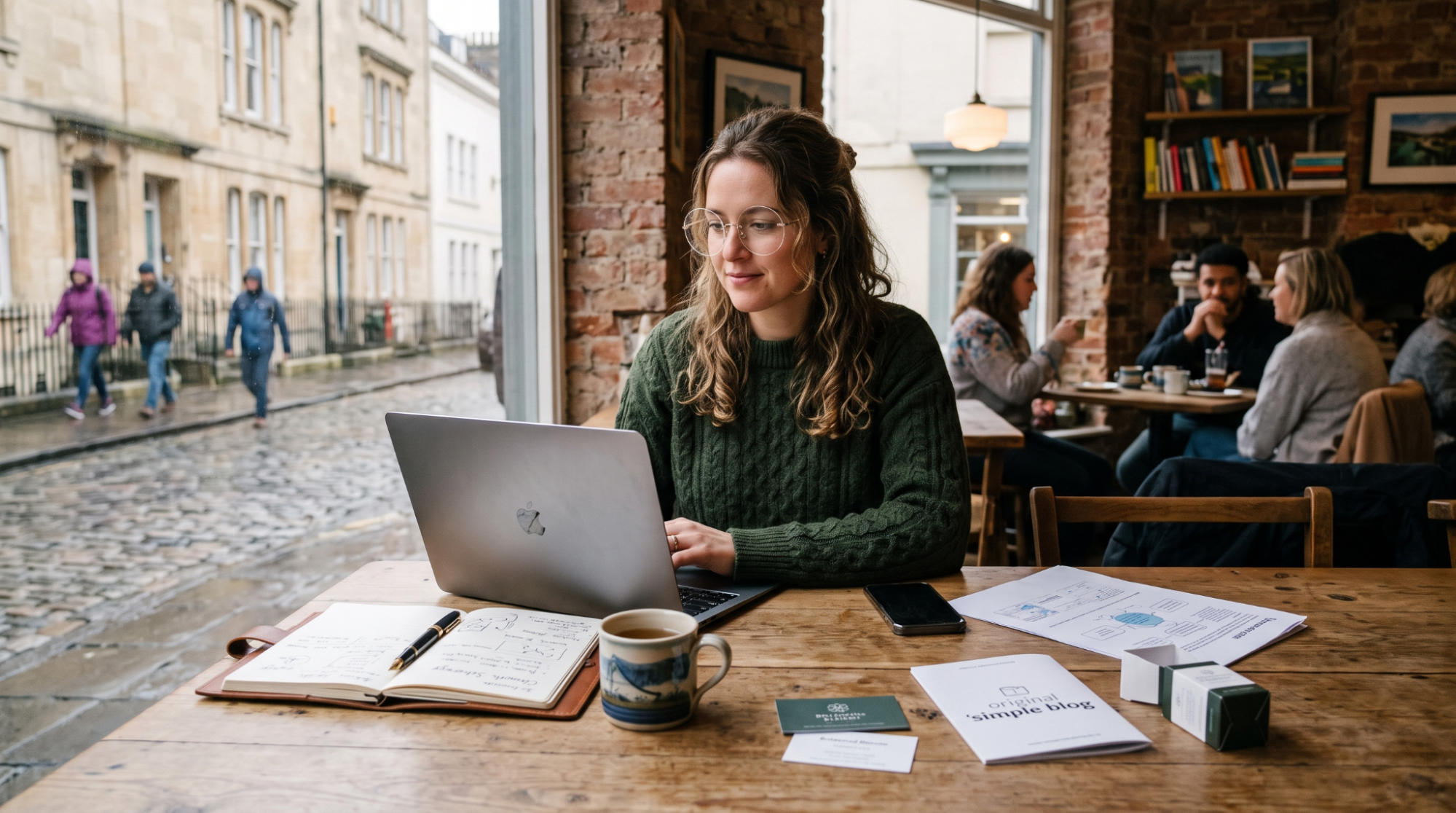

My blog only made £11.50 in its first year. I remember looking at that amount on a chilly Tuesday morning, my coffee getting cold next to my laptop, and questioning if it was just a hobby rather than a serious endeavour. It is a frustrating moment that many creators know all too well.
According to Finder, 46% of UK adults now make additional money from side jobs, but most of these projects stay small. Transitioning from a passion project to a sustainable income stream requires a deliberate shift in strategy. Mine grew because I changed how I viewed my own work and started treating my content as a true enterprise.
At Chronical Sunflower, I write blogs related to travelling, health, lifestyle, and personal finance.
Why My DIY Approach Failed
For 3 years, I did everything on my own. I wrote all the posts, created all the graphics, and replied to every email. I did this at my kitchen table, with the dishwasher running in the background. Then, one week, I had to turn down two paid collaborations because I did not have enough time to complete them.
That was a tough realisation. It was clear: my time was the limiting factor, and working longer hours would not solve the problem. To grow, I needed a new approach, not just more hard work.
How I Turned My Blog Into a Business
The change happened thanks to five specific adjustments I made. None of them cost a lot of money, but each change required me to shift my mindset and approach things more like an expert rather than a beginner.
I Changed How I Saw Myself
At first, calling myself a business owner felt strange, almost like wearing clothes that did not fit. But I went ahead and did it. I officially registered as self-employed, established a dedicated bank account, and specified revenue goals for every three months.
Simply giving my work a name made me think differently about my decisions. Someone who does something as a hobby might often wonder what to create next. But a business owner asks themselves what their customers require and how that work will generate revenue. For the practical steps involved, explore this guide to setting up a sole trader, which covers registration, records, and tax.
I Put Real Money In
Free tools were helpful at first, but eventually they limited my progress. I decided to invest in better hosting, a keyword research tool, and an accountant. The accountant ended up saving me more money than I paid her. Spending money on these things felt a bit weird at first, but each buy gave me back valuable time.
Think of spending as an investment that helps you grow, not as a loss. If a tool saves you more time or makes you more money than it costs, it’s worth paying for. For a visual representation, check this guide that shares a masterclass in shifting from a side hustle to a multi-million-pound enterprise.
I Stopped Doing Everything Alone
When I first gave an article space to a freelance writer, it felt really personal, like sharing my private thoughts. But her version turned out to be even better than what I had written. After that, I started hiring people for graphics and administrative tasks too. This allowed me to concentrate on the important things like planning, building relationships, and the writing that only I could do.
Getting help from others can be valuable. Whether you need help sharpening your core messaging or building a complete multi-channel campaign, partnering with an experienced agency like White Space allows you to tap into expertise without having to figure everything out by trial and error. Depending on people who have already gone through the process can save you from making costly mistakes like I did when I was on my own.
I Built Income Beyond Adverts
Display ads generated very little revenue, so I added other methods to make money that fit my content. Sponsored posts, affiliate links, and a compact digital guide turned the same number of visitors into three times more income. Many people have the same goal. Having several income streams also helps protect you when one of them slows down.
I Set Proper Working Hours
I almost quit in my fourth year because I was so burned out. Now, I stick to set work hours, group my writing tasks together, and take Sundays off without feeling bad. When I am rested, my writing is better, and people can tell. This endurance is very important.
A 2026 Monzo report found that 81% of people with side hustles expect to keep going this year, and many hope to make it their main job. Working at a steady pace is better than pushing myself too hard sometimes, because a business can grow if the owner is around long enough to see it succeed.
Final Thoughts
To grow your blog into a business, you need to think like a business owner from the start. Invest in essential tools, delegate tasks, and diversify your revenue streams. You can start by making just one change this week, no matter how small. This will help your income grow. Decide what your first step will be today.